Building a swimming pool is an exciting way to improve your outdoor space and create a comfortable place for relaxation, exercise, and family fun. However, constructing a pool requires proper planning, suitable materials, skilled professionals, and careful attention to safety. Whether you want a private backyard pool or a large swimming pool for a hotel, resort, or commercial property, understanding the complete process can help you make better decisions.
UNS Global understands the importance of quality, thoughtful design, and reliable swimming pool solutions. From selecting the right pool layout to understanding construction requirements, every stage plays an important role in creating a pool that looks attractive and performs well for years. This guide explains the essential steps involved in swimming pool construction and what you should consider before starting your project.
Swimming Pool Installation: Durable and Modern Pool Setup
A swimming pool installation is essential for creating a safe, durable, and visually appealing pool that enhances the value of any property. Modern swimming pools are designed using advanced construction techniques, high-quality materials, and efficient filtration systems to ensure long-lasting performance and easy maintenance.
The installation process begins with proper site assessment and planning, followed by excavation, structural construction, plumbing, waterproofing, and finishing. Every stage plays an important role in ensuring the pool remains strong, leak-proof, and functional for years. Modern pool setups may also include features such as LED lighting, automatic cleaning systems, waterfalls, fountains, and energy-efficient pumps to improve the overall swimming experience.
Process of Build a Swimming Pool
Building a swimming pool involves multiple stages, each requiring proper planning and professional execution. Understanding the process helps property owners make informed decisions and avoid costly mistakes.
1. Plan Your Swimming Pool Design
The first step in building a pool is deciding what type of swimming pool you need. Consider the available space, your budget, the number of users, and the purpose of the pool. A small residential pool may require a different design from a pool intended for a resort, school, fitness centre, or commercial facility.
You should also decide on the pool’s shape, depth, size, and location. Rectangular pools are popular for swimming and exercise, while freeform designs can create a more natural appearance in a landscaped garden. Proper planning helps you use the available area efficiently.
2. Choose the Right Swimming Pool Type
Selecting the appropriate pool structure is an important part of the swimming pool build process. Different pool types have different installation requirements, costs, and maintenance needs.
- Concrete swimming pools: These pools provide flexibility in shape, size, and depth. They are suitable for customized residential and commercial projects but generally require more construction time.
- Fiberglass swimming pools: Fiberglass pools use a prefabricated shell that can be installed at the prepared site. Installation can be quicker when the design and site conditions are suitable.
- FRP swimming pools: Fibre-reinforced plastic pools are lightweight and can be designed for various applications. They may be suitable for projects where a prefabricated pool structure is preferred.
UNS Global can help customers explore swimming pool solutions according to their space, design preferences, and intended use.
3. Prepare the Site and Excavation Area
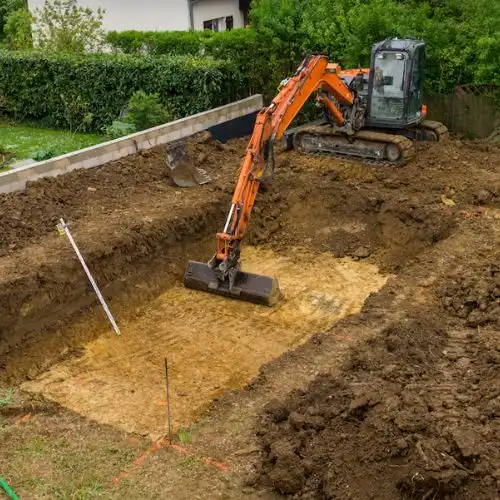
Once the design is finalised, the construction team prepares the site. This includes clearing vegetation, removing unwanted materials, marking the pool dimensions, and checking the ground conditions.
For an inground swimming pool, excavation is carried out according to the approved design and required depth. After excavation, the base is prepared to provide suitable support for the pool structure. Depending on the chosen construction method, this may involve compacted material, a reinforced concrete base, or another engineered foundation.
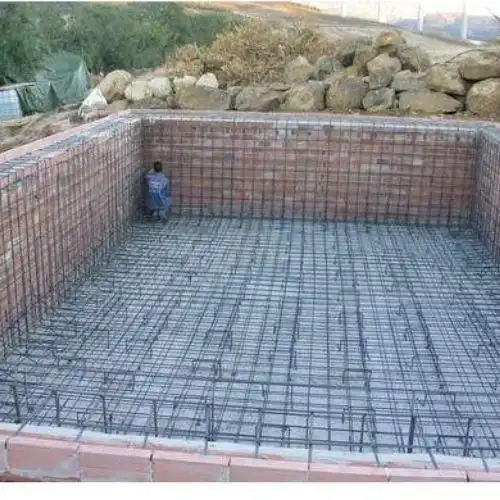
4. Construct the Pool Structure
The next stage is building the main pool shell. The exact process depends on the selected pool type. Although a DIY inground pool project may appear attractive to homeowners looking to save money, structural work should be planned carefully. Incorrect excavation, inadequate reinforcement, or poor installation can lead to expensive repairs.
5. Install Plumbing and Filtration Systems
A swimming pool needs an effective circulation and filtration system to maintain clean, clear water. The plumbing network carries water between the pool, pump, filter, and treatment equipment.
The main components generally include:
- Pool pump: Circulates water through the filtration system.
- Filtration unit: Removes suspended dirt and other particles from the water.
- Pipes and fittings: Transport water throughout the system.
- Water treatment equipment: Helps maintain appropriate water quality.
- Inlets and drains: Support water circulation and drainage.
The equipment should be selected according to pool volume, expected usage, plumbing layout, and applicable safety standards. Proper installation and testing help the system operate efficiently while supporting easier maintenance.
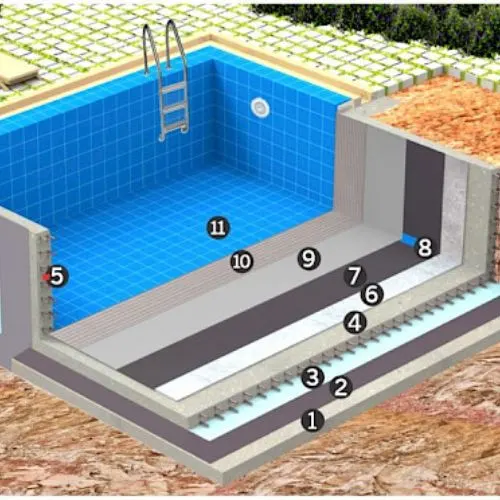
6. Apply Waterproofing and Interior Finishing
Waterproofing is a critical step in swimming pool construction. The selected waterproofing system must be compatible with the pool structure and finishing materials.
Depending on the design, the interior may be finished with swimming pool tiles, specialist coatings, or other suitable surfaces. These materials improve the pool’s appearance while providing a surface designed for regular contact with treated water.
7. Fill the Pool and Test All Systems
After construction, finishing, and curing are complete, the pool can be filled according to the installation requirements. The team checks the circulation system, filtration equipment, plumbing connections, and water level.
Water chemistry must also be adjusted to suitable levels before the pool is used. Check that the pump and filter operate correctly and that the drainage and safety arrangements meet the applicable requirements. Safety features such as non-slip surfaces, suitable barriers, secure access points, and appropriate rescue equipment should be considered before opening the pool to users.
8. Maintain Your Swimming Pool Regularly
Building a pool is only the beginning. Regular maintenance is necessary to keep it clean, safe, and functional. Remove leaves and debris, clean the pool surfaces, inspect the filtration system, and monitor water chemistry.
The pump and filter should be serviced according to the manufacturer’s recommendations. Regularly checking for leaks, damaged fittings, and surface deterioration can help identify minor issues before they become costly repairs.
If you want to build your own inground pool, prepare a realistic budget that includes excavation, structural materials, plumbing, filtration, finishing, safety equipment, and ongoing maintenance. Comparing these costs before starting can help you avoid unexpected expenses.
Benefits of Swimming Pool Construction
Investing in the Benefits of Professional Swimming Pool Construction goes beyond appearance. Professional expertise ensures superior quality, safety, and performance.
- High-Quality Construction: Experienced contractors use industry-approved materials and construction techniques that improve durability.
- Customized Design Solutions: Every property has unique requirements. Professionals create customized layouts that maximize space utilization and visual appeal.
- Enhanced Safety: Proper structural design, water circulation systems, and safety features reduce operational risks.
- Efficient Water Management: Modern filtration and circulation systems maintain clean, healthy water while reducing wastage.
- Long-Term Cost Savings: Quality construction minimizes repair requirements and extends the lifespan of the pool.
Building a swimming pool requires careful planning, professional expertise, and quality materials. Understanding the complete process, including swimming pool construction details, helps property owners make informed decisions and achieve the desired results.
UNS Global aims to help customers explore swimming pool solutions that suit their project requirements and design preferences. Whether you are planning a residential pool or a commercial swimming facility, understanding the construction process helps you make informed decisions and create a space that offers comfort, enjoyment, and long-term value.